Choosing the right orthodontic treatment can feel overwhelming when you’re faced with multiple options. Your smile deserves the best care possible, and understanding the differences between treatments helps you make an informed decision that fits your lifestyle and budget.
Two primary orthodontic solutions dominate the market: Invisalign and traditional braces. Each offers unique advantages and serves different patient needs. The key lies in understanding which treatment aligns with your specific orthodontic requirements, aesthetic preferences, and daily routine.
Here at Damon Orthodontics in South Hill Spokane, we\’re going to share with you our expert knowledge and guidance, so you can make the best choice for you.
Key Takeaways
- Invisalign offers discretion and removability, but works best for mild to moderate cases
- Traditional braces provide comprehensive treatment for complex orthodontic issues
- Treatment duration, cost, and maintenance requirements vary significantly between options
- Your orthodontist\’s expertise determines the best treatment for your individual needs

What is Invisalign?
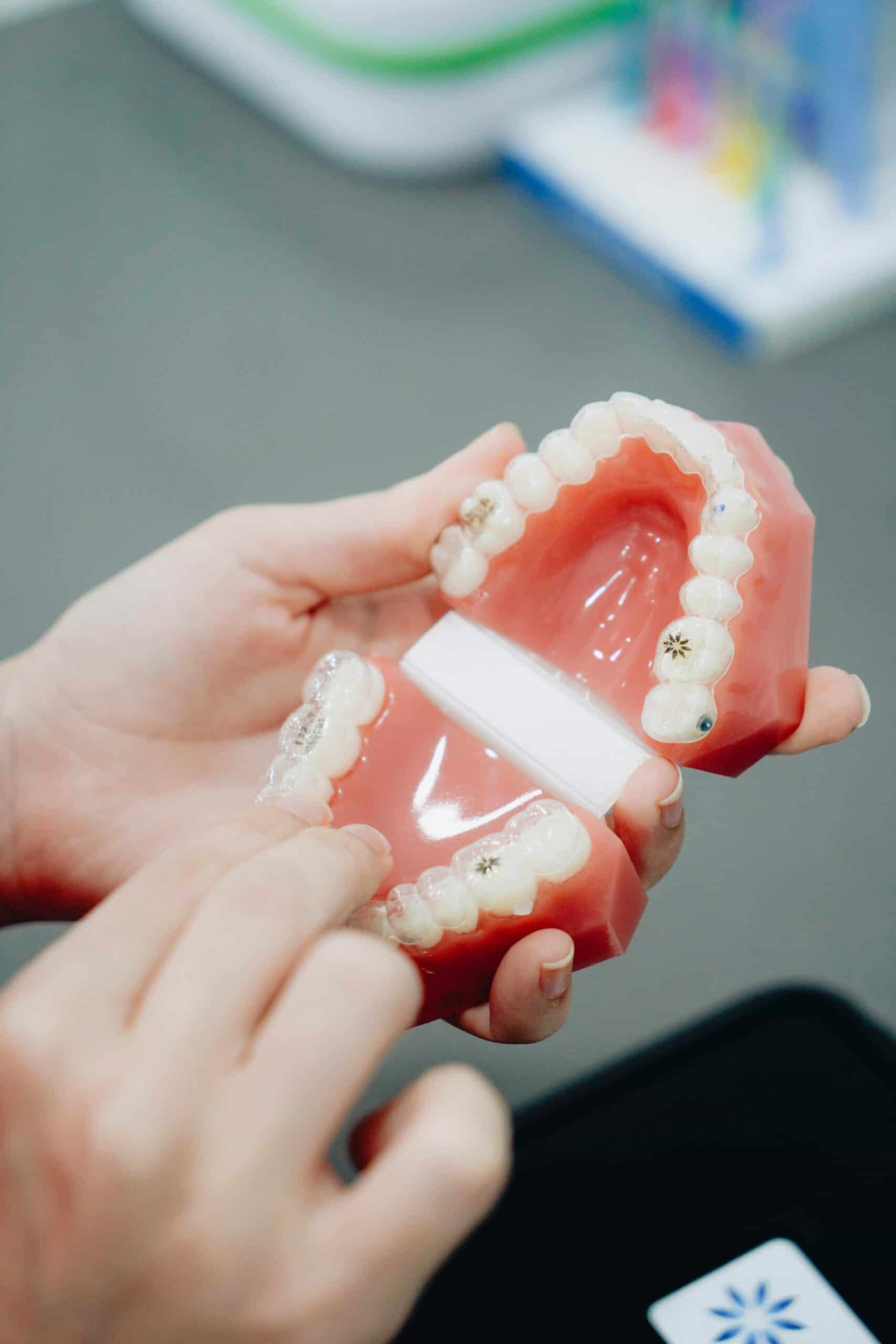
Invisalign revolutionized orthodontic treatment by introducing clear, removable aligners that gradually shift teeth into proper position. These custom-made plastic trays are virtually invisible when worn, making them an attractive option for image-conscious patients.
The Invisalign process begins with a comprehensive consultation where your orthodontist evaluates your teeth and bite. Digital 3D scanning technology creates precise impressions of your teeth, eliminating the need for messy traditional molds. Advanced software maps your treatment plan, showing the projected movement of your teeth from start to finish.
You\’ll receive a series of aligners, typically changing to a new set every one to two weeks. Each aligner applies controlled pressure to specific teeth, gradually moving them toward their final positions. The treatment requires wearing aligners for 20-22 hours daily, removing them only for eating, drinking, brushing, and flossing.
Invisalign\’s primary benefits include aesthetic appeal, comfortable fit, and lifestyle flexibility. The smooth plastic material causes less irritation than metal brackets and wires. The removable design allows you to maintain normal oral hygiene routines and eat all your favorite foods without restrictions.
What are Traditional Braces?
Traditional braces consist of metal brackets bonded to each tooth, connected by archwires, and secured with elastic bands or ligatures. This time-tested system has successfully straightened millions of smiles over decades of orthodontic practice.
The application process involves thoroughly cleaning your teeth, then bonding brackets with dental adhesive. Your orthodontist threads archwires through the brackets and secures them with elastic ties or metal ligatures. Regular adjustment appointments every 4-8 weeks allow your orthodontist to tighten wires and monitor progress.
Traditional braces excel at treating complex orthodontic issues, including severe crowding, significant bite problems, and major tooth rotations. The constant pressure applied by the wire system provides precise control over tooth movement, making braces the gold standard for comprehensive orthodontic treatment.
Benefits of traditional braces include proven effectiveness for complex cases, lower cost compared to clear aligners, and no risk of patient non-compliance since they cannot be removed. The fixed nature ensures continuous treatment progress regardless of patient cooperation.
Invisalign vs. Braces: Key Differences
Now let\’s discuss the key differences between Invisalign and traditional braces.
Aesthetics
The most obvious difference between Invisalign vs braces lies in appearance. Invisalign aligners are nearly invisible, allowing you to smile confidently throughout treatment.
Traditional metal braces are quite noticeable, though some patients embrace the look as a temporary fashion statement.
Comfort
Invisalign aligners feature smooth surfaces that rarely cause mouth irritation.
Traditional braces may initially cause soreness and can irritate cheeks and lips, especially after adjustments. However, most patients adapt to braces within a few weeks.
Removability
Invisalign\’s removable design offers unmatched convenience for eating, brushing, and special occasions.
Traditional braces remain fixed throughout treatment, requiring dietary modifications and special cleaning techniques.
Treatment Duration
Invisalign treatment typically lasts 12-18 months for mild to moderate cases.
Traditional braces often require 18-36 months, depending on case complexity. However, braces can address more severe orthodontic problems that Invisalign cannot effectively treat.
Cost Considerations
Traditional braces generally cost less than Invisalign, making them more budget-friendly for many families. Insurance coverage varies, but most plans provide similar benefits for both treatments.
Many orthodontists offer flexible payment plans to make treatment affordable.
Effectiveness
Traditional braces can treat virtually any orthodontic problem, from simple spacing issues to complex bite corrections.
Invisalign works excellently for mild to moderate crowding, spacing, and minor bite issues but has limitations with severe cases.
Maintenance Requirements
Invisalign requires diligent cleaning of aligners and maintaining excellent oral hygiene.
Traditional braces demand careful brushing around brackets and wires, along with regular flossing using special threaders or water flossers.
Invisalign vs. Clear Braces
Clear braces, also called ceramic braces, combine the effectiveness of traditional braces with improved aesthetics. These systems use tooth-colored or clear brackets that blend with your natural teeth, making them less noticeable than metal braces.
Invisalign vs clear braces effectiveness differs significantly. Clear braces can treat the same complex cases as traditional metal braces, while Invisalign has limitations with severe orthodontic problems. Clear braces remain fixed throughout treatment, ensuring consistent progress without relying on patient compliance.
Choose clear braces over Invisalign when you need comprehensive treatment for complex issues but prefer a more aesthetic option than metal braces. Clear braces offer the best of both worlds: proven effectiveness and improved appearance.
Invisalign vs. Damon Braces
Damon Braces represent an advanced self-ligating bracket system that eliminates the need for elastic ties. These innovative braces use a slide mechanism to hold archwires, reducing friction and allowing for more comfortable tooth movement.
The Invisalign vs Damon braces comparison reveals distinct advantages for each system. Damon Braces typically require fewer adjustments and shorter treatment times compared to traditional braces. The self-ligating design creates gentler forces, often resulting in more comfortable treatment.
Damon Braces excel in treating complex cases that Invisalign cannot address, including severe crowding, significant bite problems, and major tooth rotations. The system\’s efficiency often leads to shorter overall treatment times while maintaining the comprehensive capabilities of traditional braces.
Invisalign vs. Braces for Adults
Adult orthodontic patients have unique considerations when choosing between treatments. Professional image concerns, social situations, and lifestyle factors heavily influence treatment decisions for adult patients.
Invisalign vs braces for adults presents clear advantages for the clear aligner system. Adults often prefer the discreet appearance of Invisalign, especially in professional settings where appearance matters. The ability to remove aligners for important meetings or social events provides valuable flexibility.
However, adult teeth may be more challenging to move, and some cases require the comprehensive control that only braces can provide. Adults with complex orthodontic needs may achieve better results with traditional braces, despite aesthetic concerns.
Lifestyle considerations include eating habits, oral hygiene routines, and compliance abilities. Adults who travel frequently or have irregular schedules may find braces more convenient since they don\’t require remembering to wear removable aligners.
Invisalign vs. Metal Braces
The classic Invisalign vs metal braces comparison highlights the fundamental differences between removable clear aligners and fixed metal brackets. Each system offers distinct advantages depending on your specific needs and preferences.
Metal braces pros include comprehensive treatment capabilities, lower cost, guaranteed compliance, and proven effectiveness for all orthodontic problems. They work continuously without requiring patient cooperation and can address the most complex cases.
Metal braces cons include obvious appearance, initial discomfort, dietary restrictions, and challenging oral hygiene maintenance. Some patients experience mouth irritation from brackets and wires, especially during the adjustment period.
Metal braces may be the better option when you have severe orthodontic problems, prefer lower treatment costs, want guaranteed results regardless of compliance, or need comprehensive bite correction that Invisalign cannot provide.
Which Treatment Is Right for You?
Choosing the right orthodontic treatment depends on your specific dental needs, lifestyle, and personal preferences. Whether you\’re here in South Hill, Spokane, or not, you should consult with your orthodontist. They can help guide this decision, but here are a few factors to consider:
- Severity of Orthodontic Issues: Metal braces are often more effective for addressing significant misalignments and complex bite problems.
- Aesthetic Preferences: If you want a less noticeable option, Invisalign or ceramic braces may be more appealing.
- Treatment Duration: Traditional braces might work faster for severe cases, while Invisalign is ideal for mild to moderate issues.
- Maintenance and Compliance: Invisalign requires consistent wear and proper care, while braces are fixed and don\’t rely on daily compliance.
- Budget Considerations: Metal braces are typically more affordable compared to other options like Invisalign or ceramic braces.
Ultimately, the right treatment will align with your goals and suit your unique circumstances. It\’s best to consult with your local orthodontist to make the best choice for you!

Frequently Asked Questions
Q: How long does each treatment take?
A: Invisalign typically requires 12-18 months for mild to moderate cases, while traditional braces often take 18-36 months depending on complexity.
Q: Which treatment is more expensive?
A: Traditional braces generally cost less than Invisalign, though costs vary by location and case complexity. Most insurance plans provide similar coverage for both treatments.
Q: Can adults get braces or Invisalign?
A: Both treatments are suitable for adults. Many adults prefer Invisalign for aesthetic reasons, while others choose braces for comprehensive treatment of complex issues.
Q: What happens if I lose an Invisalign aligner?
A: Contact your orthodontist immediately. You may need to wear the previous aligner or move to the next one in the series, depending on your treatment stage.
Q: Do braces hurt more than Invisalign?
A: Both treatments cause some discomfort during initial adjustment periods. Braces may cause more irritation from brackets and wires, while Invisalign pressure is generally milder.
Take the Next Step Toward Your Perfect Smile
Choosing between Invisalign and braces represents an important investment in your oral health and confidence. Both treatments can create beautiful, healthy smiles when properly selected and executed by experienced professionals.
The decision ultimately depends on your specific orthodontic needs, lifestyle preferences, and treatment goals. Complex cases often require the comprehensive capabilities of braces, while mild to moderate problems may be perfectly suited for Invisalign\’s discrete approach.
Ready to start your orthodontic journey? Visit Damon Orthodontics for a complimentary consultation where Drs. Clay and Paul Damon will evaluate your needs and recommend the best treatment option. With shorter treatment times, fewer appointments, and guaranteed results, their expertise ensures you receive the highest quality care.
Don\’t just take our word for it—check out our Google My Business reviews to see what our patients say about their treatment experiences. Contact our South Hill location at (509) 448-2600 or visit us at 418 E 30th Ave, Spokane, WA 99203 to schedule your free consultation today.